
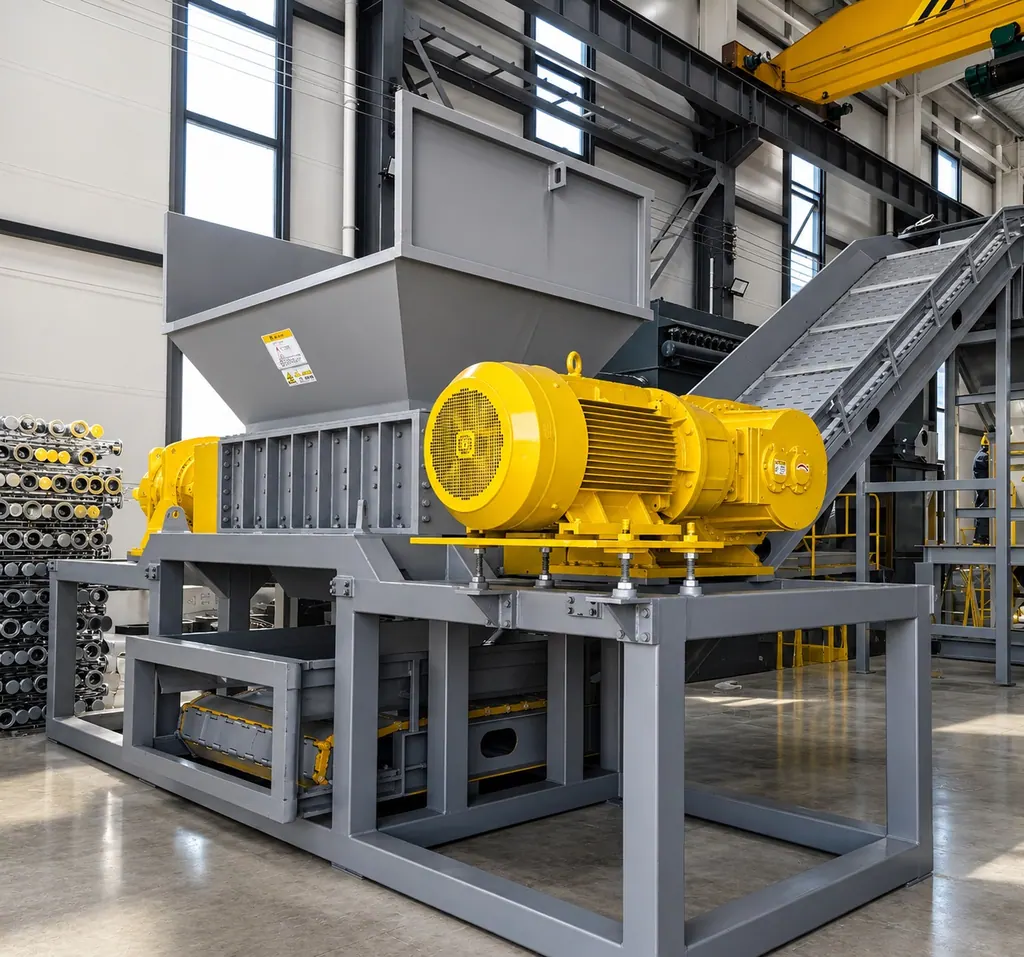
Refuse-Derived Fuel (RDF) is an alternative fuel processed from municipal solid waste (MSW) and industrial solid waste through sorting, shredding, and densification. With a calorific value reaching 60%–80% of standard coal and carbon emissions roughly one-third that of coal, RDF is becoming one of the most commercially viable investment avenues in solid waste recycling—especially as energy-intensive sectors like cement kilns, power plants, and combined heat and power (CHP) facilities accelerate their transition away from fossil fuels. However, key questions remain: How much capital is required to build an RDF Production Line? What is the expected payback period? Which stages consume the most capital?
The total investment cost for an RDF plant is driven by four key factors: capacity scale, process route, level of automation, and environmental protection infrastructure. Equipment costs for a small-scale plant (5 t/h) range from roughly $110,000 to $210,000 USD (RMB 800,000–1.5 million); medium-scale plants (10–20 t/h) require around $280,000 to $700,000 USD (RMB 2–5 million); while large-scale lines (30+ t/h) can exceed $1.1 million USD (RMB 8+ million). Payback periods typically range from 2 to 4 years, heavily influenced by feedstock procurement costs, RDF market prices, coal-displacement savings, and local tipping fee subsidies. This guide breaks down capital expenditure (CapEx), civil engineering, operational expenditure (OpEx), and financial yield models across four key dimensions to give investors a clear framework for financial planning.
1. RDF Plant Equipment CapEx: Four Core Processing Sections and Price Ranges
A complete RDF Production Line comprises four core processing stages: front-end feeding & pretreatment, mid-section sorting & shredding, rear-end pelletizing & output, and an integrated dust collection & odor control system. Equipment selection directly determines the overall capital scale.
1. Front-End Feeding & Pretreatment Section
A Chain Plate Feeder delivers mixed solid waste uniformly into the line, while a bag opener shreds trash bags to release bulk contents. Equipment investment for this stage ranges from $20,000 to $40,000 USD (RMB 150,000–300,000) and includes the Chain Plate Feeder, bag breaker, and manual sorting platform. Insufficient front-end handling capacity creates an immediate bottleneck, causing severe drops in downstream sorting efficiency.
2. Mid-Section Sorting & Shredding Section
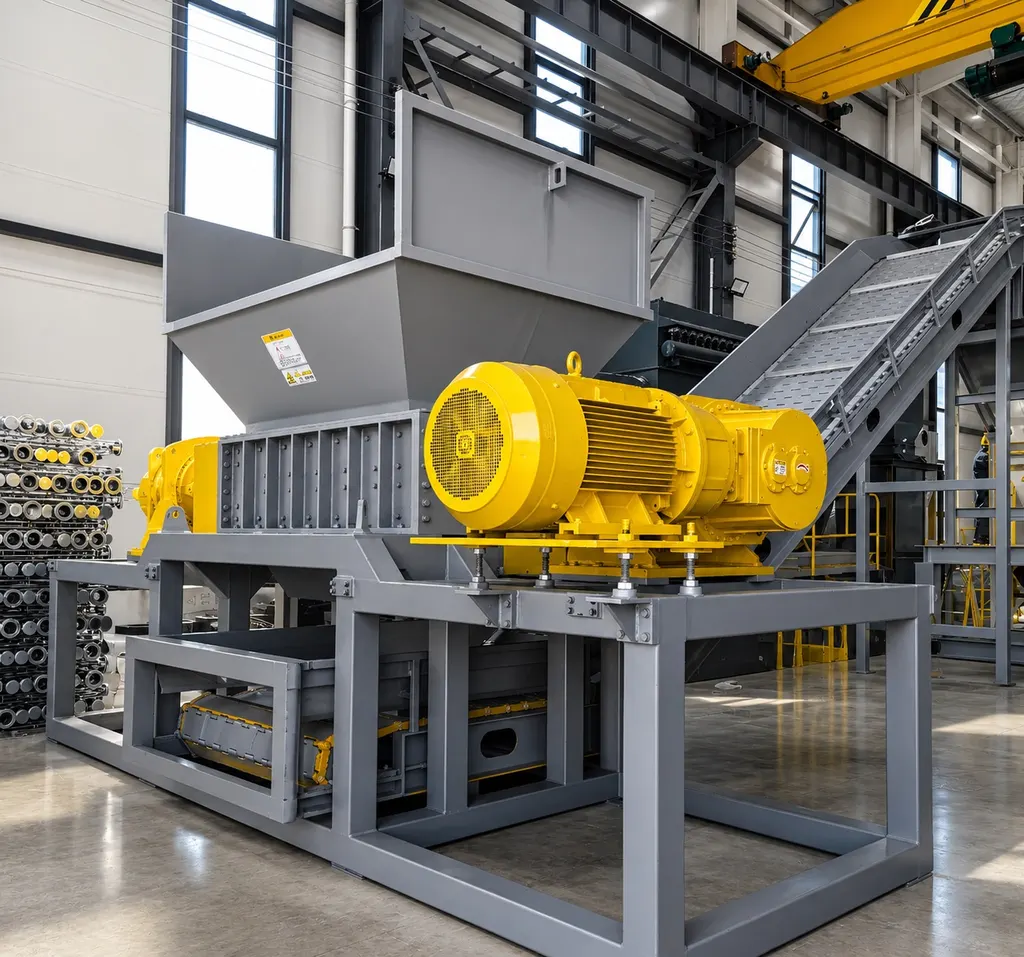
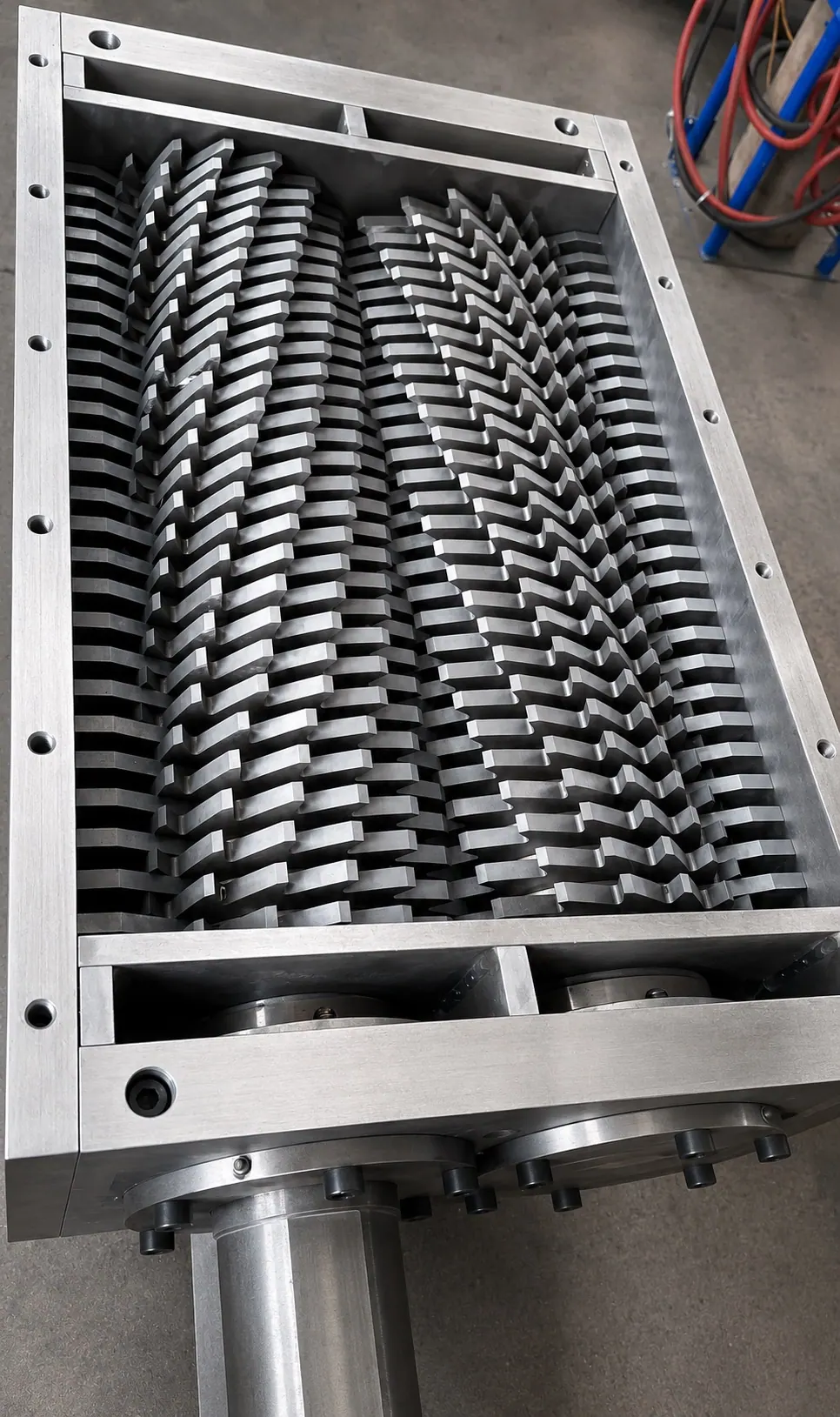
This is the most capital-intensive segment of an RDF line, accounting for 40%–50% of total equipment CapEx. Core machinery includes Trommel Screens (particle size grading), Wind Sifter Separators (air-classification of light vs. heavy fractions), Magnetic Separators (ferrous metal removal), Eddy Current Separators (non-ferrous metal recovery), and industrial shredders. Equipment costs here range from $70,000 to $280,000 USD (RMB 500,000–2 million), scaling with higher capacity and purity requirements. Shredder selection is paramount: a Double-Shaft Shredder excels at coarse shredding of bulky combustibles, whereas a Single-Shaft Shredder provides precise, uniform particle reduction. Combining both in series ensures optimum RDF fuel specification.
3. Rear-End Pelletizing & Output Section
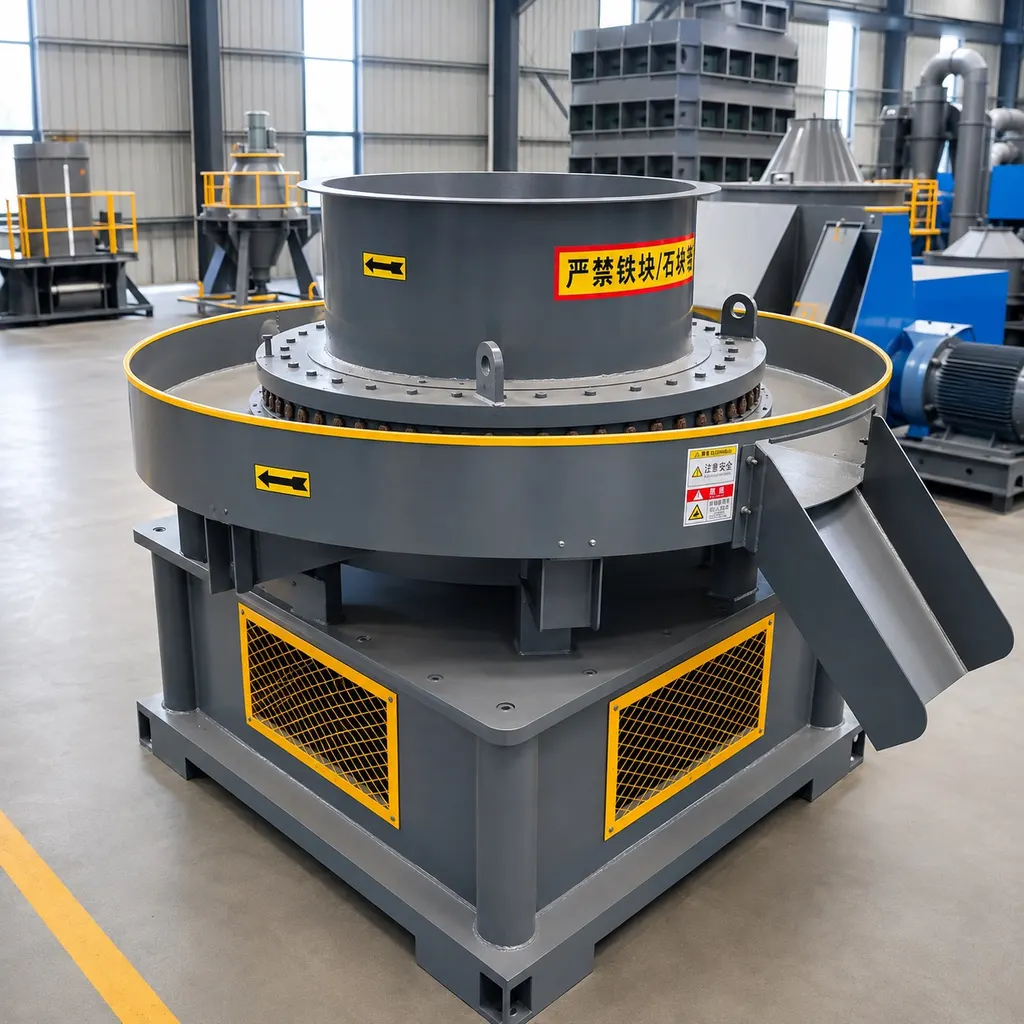
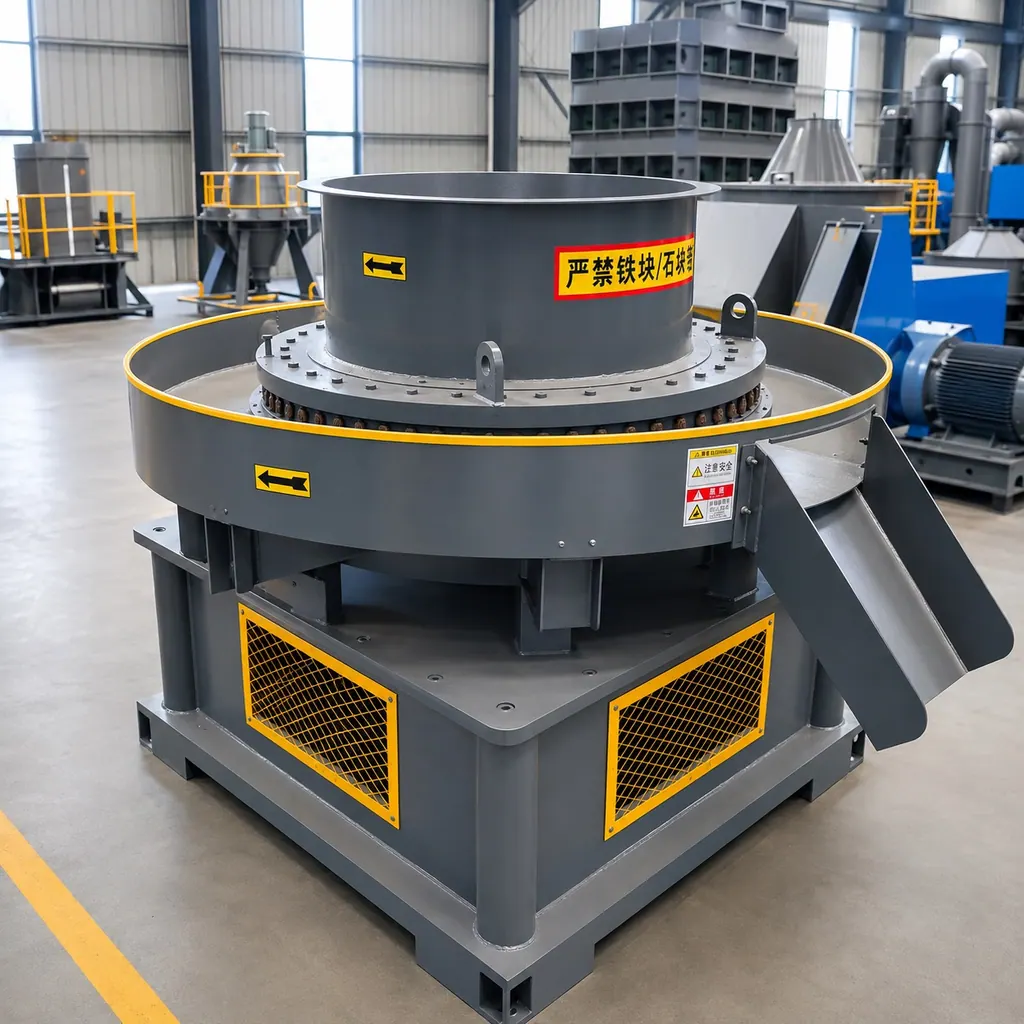
An RDF Pellet Machine densifies shredded high-calorific materials into high-density pellets or briquettes, increasing bulk density and combustion stability. Capital investment for densification ranges from $40,000 to $110,000 USD (RMB 300,000–800,000), centered around the RDF Pellet Machine and finished product conveying/packaging systems. Densified RDF pellets offer consistent energy density, lower transport costs, and superior market acceptance compared to loose fluff RDF.
4. Environmental Dust Extraction & Control Systems
Pulse-jet baghouse dust collectors, activated carbon absorbers, and UV photo-oxidation systems are essential compliance requirements for modern RDF facilities, accounting for $28,000 to $70,000 USD (RMB 200,000–500,000). Automated PLC control panels and online monitoring instrumentation add approximately $14,000 to $28,000 USD (RMB 100,000–200,000). While environmental controls do not generate direct revenue, failing regulatory compliance risks complete plant shutdown.
2. Civil Engineering & Infrastructure: Often Underestimated Hidden Costs
Many investors focus solely on machinery procurement, overlooking facility construction and utility integration. In practice, civil work and infrastructure account for 25%–35% of total project investment. Key hidden costs include:
1. Building Construction & Floor Hardening
An RDF plant requires a fully enclosed building to contain dust and odor emissions. Steel structure buildings cost approximately $55–$110 USD per square meter (RMB 400–800/m²), while anti-seepage floor hardening adds around $14–$28 USD per square meter (RMB 100–200/m²). A standard 10 t/h RDF Production Line requires 800–1,200 m² of floor space, putting civil engineering costs at $70,000–$140,000 USD (RMB 500,000–1 million).
2. Electrical Power Upgrades & Transformer Expansion
The total installed power rating for a standard RDF line ranges from 200 to 600 kW, requiring a dedicated transformer capacity of 315 kVA or higher. If existing site power grid capacity is insufficient, transformer upgrades and high-voltage line modifications can cost between $28,000 and $70,000 USD (RMB 200,000–500,000)—a factor that must be evaluated during early site selection.
3. Leachate Management & Fire Suppression Systems
MSW storage generates hazardous leachate, requiring dedicated collection pits and pretreatment units ($20,000–$40,000 USD / RMB 150,000–300,000). Fire suppression systems (sprinklers, smoke sensors, fire zoning) add another $14,000–$28,000 USD (RMB 100,000–200,000). These items are non-negotiable prerequisites for Environmental Impact Assessment (EIA) and safety approvals.
3. RDF Plant OpEx Breakdown: Calculating the True Cost Per Ton
While equipment acquisition represents a one-time capital expense, daily operating costs dictate long-term profitability. Taking a 10 t/h RDF Production Line (processing ~60,000 tons annually) as a baseline, here is a breakdown of OpEx per ton:
1. Feedstock Cost (The Biggest Variable)
If feedstock is secured via government concessions for MSW processing, raw material costs can be zero—or generate gate/tipping fee revenues of $7–$21 USD (RMB 50–150) per ton. Conversely, if high-calorific commercial/industrial waste or scrap plastics are purchased from open markets, feedstock procurement costs range from $14 to $55 USD (RMB 100–400) per ton. Feedstock cost is the primary divider between profitable and unviable operations: subsidized municipal projects are highly predictable, whereas open-market procurement demands precise financial calculation of RDF sales prices versus raw material costs.
2. Labor Expenses
A 10 t/h processing line typically requires 8 to 15 operators (including sorting staff, machine operators, and plant management). Based on regional wage levels, annual labor costs total $85,000–$170,000 USD (RMB 600,000–1.2 million), translating to roughly $1.40–$2.80 USD (RMB 10–20) per processed ton. Higher automation reduces labor requirements but increases initial equipment CapEx.
3. Electricity & Consumable Wear
Power consumption for an RDF processing line runs approximately 15–30 kWh per ton. At industrial electricity rates of $0.08–$0.11 USD/kWh, power costs equal $1.30–$3.30 USD (RMB 9–24) per ton. Shredder blade wear, screen replacements, and lubrication add another $0.70–$2.10 USD (RMB 5–15) per ton. Combined, utility and wear costs total $2.00–$5.40 USD (RMB 14–39) per ton.
4. Maintenance & Asset Depreciation
Annual machine maintenance averages 3%–5% of total equipment CapEx, with asset depreciation calculated using a 10-year straight-line method. For an equipment investment of $420,000 USD (RMB 3 million), yearly maintenance runs around $12,500–$21,000 USD, while annual depreciation equals $42,000 USD, totaling roughly $0.80–$1.10 USD (RMB 6–8) per ton processed.
5. Comprehensive Operational Cost Summary
Summarizing the factors above: an RDF plant receiving municipal waste tipping fees incurs net operating expenses of approximately $4.20–$9.80 USD (RMB 30–70) per ton (excluding feedstock cost). Facilities purchasing raw materials on the open market face total processing costs of $18.00–$65.00 USD (RMB 130–470) per ton (inclusive of feedstock). This threshold determines minimum RDF market pricing and profit margin bounds.
4. RDF Plant Revenue Models and ROI Calculation
An RDF production facility generates revenue across three primary streams. The combination of these streams directly dictates the payback timeline:
1. Offtake Sales of RDF Fuel
Densified RDF pellets achieve a lower heating value (LHV) of 3,500–5,000 kcal/kg, commanding market prices of $28–$70 USD (RMB 200–500) per ton depending on calorific value, ash content, and moisture levels. Primary end-users include cement kilns, thermal power plants, and paper mills looking to substitute 30%–70% of fossil coal. Generating 20,000 tons of RDF annually at an average selling price of $50 USD (RMB 350)/ton yields approximately $1.0 million USD (RMB 7 million) in fuel sales.
2. Municipal Tipping Fee Subsidies
Facilities holding local waste concession agreements earn tipping fees of $7–$21 USD (RMB 50–150) per ton of incoming waste. Processing 60,000 tons of MSW per year at a $14 USD/ton subsidy yields $840,000 USD (RMB 6 million) annually. This predictable, volume-linked revenue stream provides foundational cash flow stability.
3. Recycled Metal and Plastic Recovery
Automated separation via Magnetic Separator and Eddy Current Separator recovers valuable ferrous scrap, aluminum, copper, and recyclable plastics, adding an estimated $70,000–$210,000 USD (RMB 500,000–1.5 million) in annual revenue. While tied to commodity market fluctuations, this stream offers pure gross margin expansion.
4. Payback Period Calculation Example
Consider a typical 10 t/h RDF production project: Equipment CapEx ($420,000 USD / RMB 3M) + Civil & Utilities ($210,000 USD / RMB 1.5M) = Total CapEx of $630,000 USD (RMB 4.5M). Annual Revenue: RDF Fuel Sales ($1.0M USD) + Municipal Tipping Fees ($840,000 USD) + Recycled Scrap ($140,000 USD) = Total Annual Revenue of $1.98 Million USD (RMB 14 million). Operating Expenses (feedstock, labor, power, maintenance, depreciation) total approximately $1.1–$1.4 Million USD (RMB 8–10M). Net annual profit equals $560,000–$840,000 USD (RMB 4–6M), yielding a simple static payback period of 9 to 14 months. For non-subsidized plants sourcing raw material on open markets, net annual profit typically averages $210,000–$350,000 USD (RMB 1.5–2.5M), extending the payback period to 2 to 3 years.
5. Investment Risk Mitigation: Five Critical Decision Points
Because RDF projects demand significant capital and multi-month development schedules, early planning mistakes can lead to operating losses or project abandonment. Investors must evaluate five key areas before allocating capital:
1. Securing Long-Term Feedstock Contracts
Raw material availability is the lifeblood of an RDF facility. Investors must secure binding 3-to-5-year supply agreements prior to construction—whether through government MSW concessions or industrial waste management contracts. Supply chain disruption is the leading cause of plant failure.
2. Matching Capacity Scale with Regional Offtake Demand
Avoid overbuilding processing capacity. Analyze actual RDF fuel demand, specs, and price tolerance among cement plants and thermal boilers within a 50–100 km radius before sizing the line. A 10 t/h line is ideal for county-level markets, whereas 20+ t/h lines are best suited for prefecture-level cities or regional industrial parks.
3. Prioritizing Equipment Customization Over Standard Layouts
Waste composition varies significantly by region: high-moisture organic waste in southern urban zones requires entirely different processing logic than dry mixed industrial waste in northern regions. Send representative feedstock samples to equipment manufacturers for real-world material testing. Empirical performance data prevents costly post-commissioning retrofits.
4. Expediting Environmental & Safety Approvals First
Permitting for Environmental Impact Assessments (EIA), safety evaluations, and fire compliance routinely takes 3 to 6 months. These processes must be initiated before issuing machinery purchase orders. Delivering equipment to a site stalled by unapproved permits wastes valuable capital on idle infrastructure.
5. Binding Offtake Off-Take Customers Early
RDF is a custom-formulated fuel; key specs like calorific value, ash percentage, and chlorine content vary with feedstock, requiring combustion adjustment by the buyer. Signing off-take intent agreements with at least one key cement plant or boiler operator prior to plant construction is far more critical than initial machine selection.
Frequently Asked Questions
What is the minimum viable investment for an RDF plant?
The baseline viable setup is a 5 t/h compact line. Equipment CapEx runs approximately $110,000–$210,000 USD (RMB 800,000–1.5M), while civil engineering and site utilities require an additional $70,000–$110,000 USD (RMB 500,000–800,000), totaling an initial investment of $180,000–$320,000 USD (RMB 1.3–2.3M). This scale is optimal for county-level municipal waste processing or pilot industrial waste projects.
How much building area is required for an RDF Production Line?
A 5 t/h line requires 500–800 m²; a 10 t/h line requires 800–1,200 m²; while lines rated at 20+ t/h require 1,500–2,500 m². Facility footprints include raw waste staging, processing equipment zones, densified product storage, and administrative areas. Site selection must also account for outdoor truck maneuvering and weighing scales.
What is the typical calorific value of RDF, and how much coal can it replace?
Processed and densified RDF pellets typically achieve a lower heating value (LHV) of 3,500–5,000 kcal/kg, representing 60%–80% of standard thermal coal energy (5,500–7,000 kcal/kg). In cement kilns, RDF can replace 30% to 70% of fossil coal depending on burner setup and fuel quality. Chlorine content must be controlled below 0.3% to prevent kiln preheater clogging and corrosion.